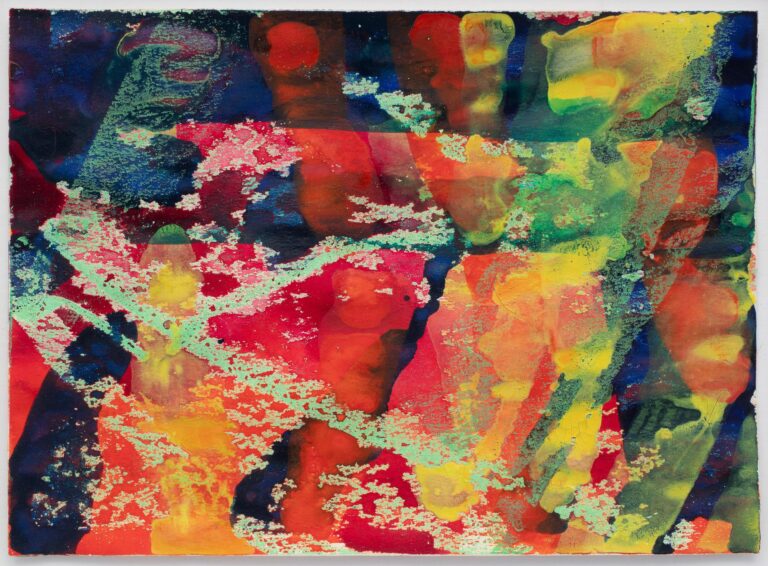
SCHÖNEWALD freut sich, Ihnen die neue Gruppenausstellung Zwischen Sichtbarkeit und Erinnerung ankündigen zu können.
Die Ausstellung versammelt zehn unterschiedliche Positionen und untersucht das Bild als epistemischen Ort zwischen Wahrnehmung, Materialität und Erinnerung. Im Spannungsfeld von Abstraktion und Figuration, serieller Ordnung und gestischer Setzung wird das Verhältnis von Fläche und Raum neu verhandelt. Farbe fungiert dabei nicht allein als ästhetisches Phänomen, sondern als konstitutives Moment der Bildstruktur und als Träger zeitlicher Erfahrung. Die Reflexion über die Bedingungen des Sichtbaren verbindet die diversen künstlerischen Ansätze und Generationen.
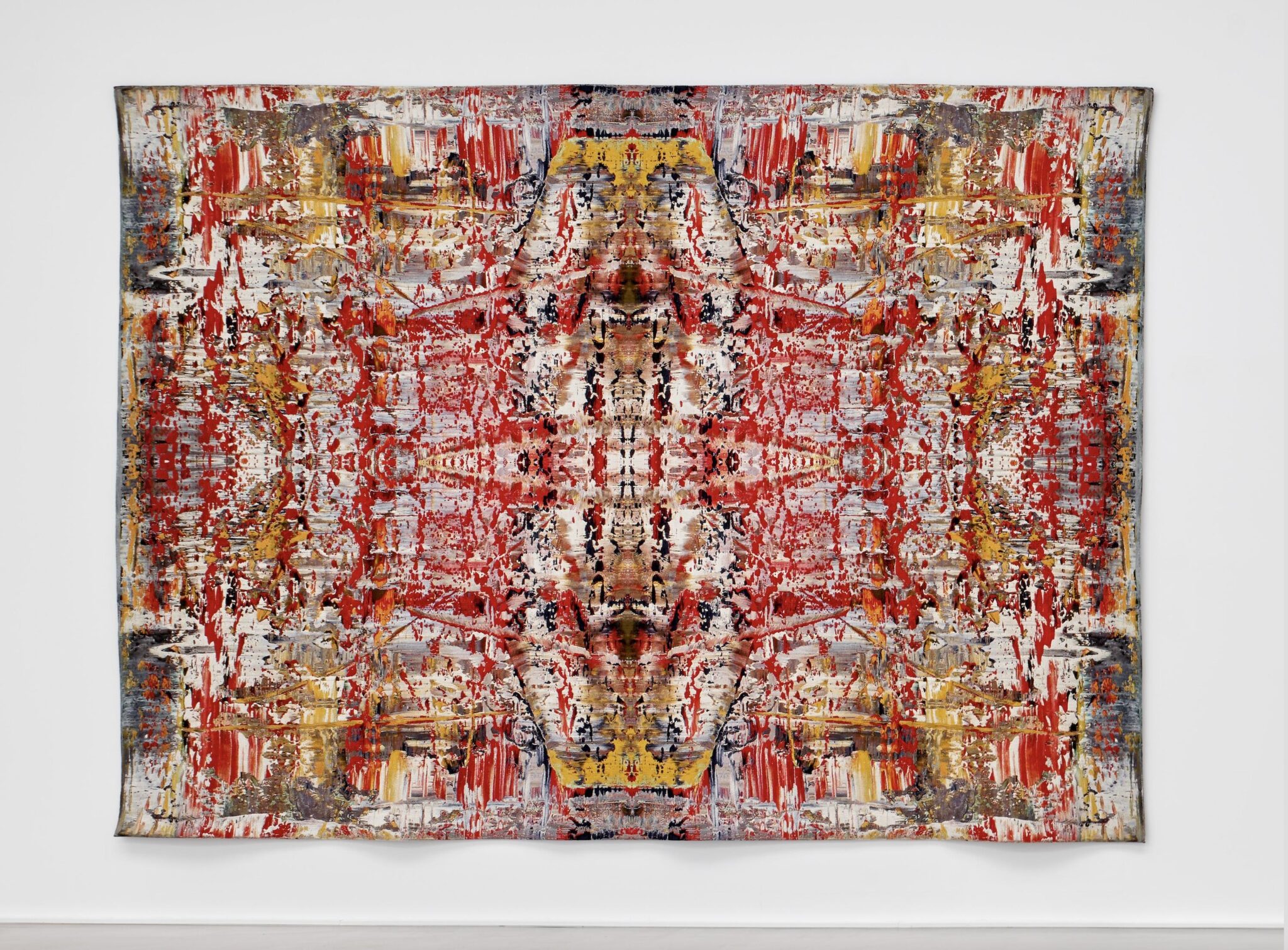
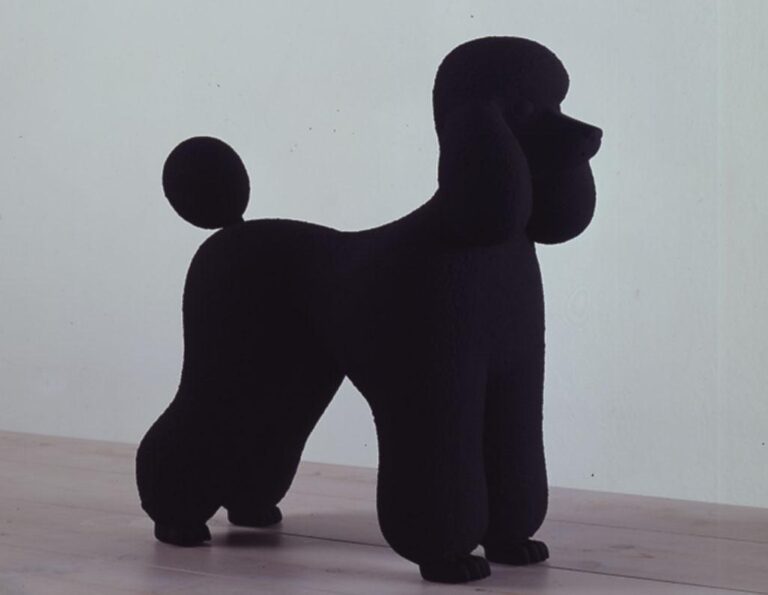
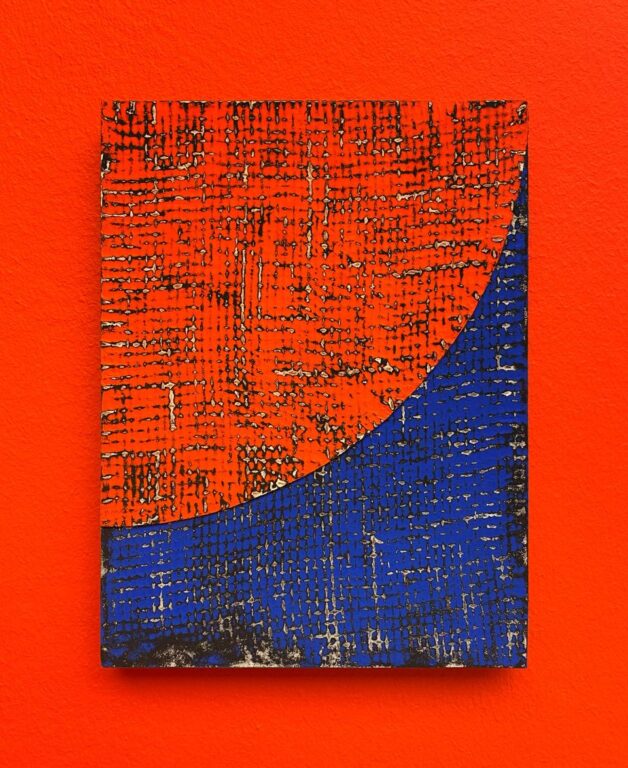
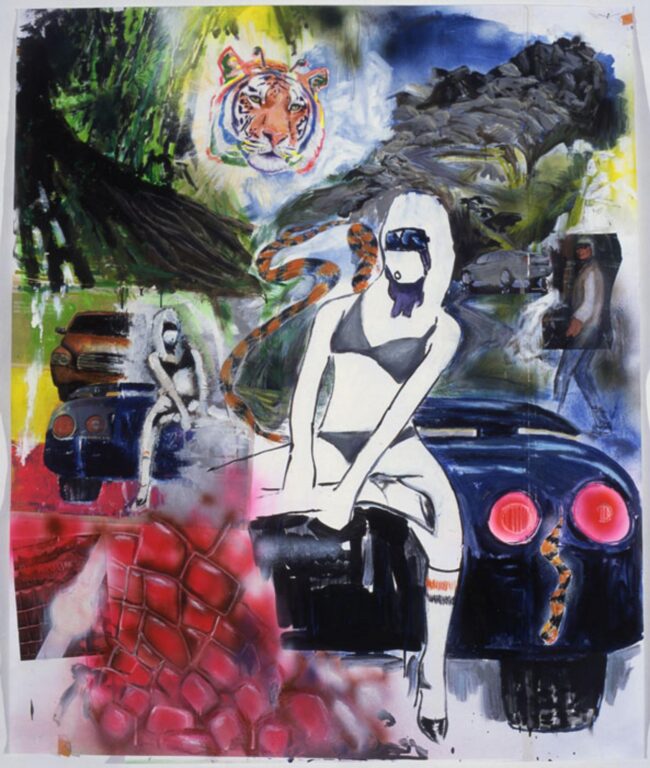
Während Wilhelm Mundt Erinnerungsschichten auf- und abbaut, thematisieren Gerhard Richter und Sigmar Polke die Instabilität des Bildes zwischen Konstruktion und Auflösung. Der „Weltempfänger“ von Isa Genzken symbolisiert das Empfangen von Signalen aus der Welt und steht metaphorisch für Kommunikation, Wahrnehmung und die Beziehung des Menschen zur modernen, vernetzten Welt. Karin Kneffels präzise Inszenierung von scheinbar perfekten „Trauben“ sowie Sabrina Fritschs geometrische Formen und Strukturen, die zwischen flacher Abbildhaftigkeit und potentieller Dreidimensionalität changieren, erweitern das Spektrum um Aspekte von Erinnerung, Körperlichkeit und Präsenz. Die skulpturalen Arbeiten von Andreas Schmitten und Katharina Fritsch verschieben die malerische Fragestellung in den realen Raum und machen das Verhältnis von Bild und Objekt physisch erfahrbar.
„Zwischen Sichtbarkeit und Erinnerung“ versteht das Kunstwerk somit als Prozessraum: als Ort, an dem sich Wahrnehmung konstituiert, sedimentiert und zugleich infrage gestellt wird. Die Ausstellung liest Malerei und Skulptur nicht als abgeschlossene Gattungen, sondern als offene Dispositive, in denen sich das Sehen selbst thematisch verdichtet.
_______________________________
SCHÖNEWALD is pleased to announce its new group exhibition, Between Visibility and Memory.
The exhibition brings together ten distinct artistic approaches and explores the image as an epistemic space situated between perception, materiality, and memory. In the tension between abstraction and figuration, serial order and gestural composition, the relationship between surface and space is renegotiated. Color functions not merely as an aesthetic phenomenon, but as a constitutive element of the pictorial structure and as a vehicle for temporal experience. Reflection on the conditions of the visible connects the diverse artistic approaches and generations.
While Wilhelm Mundt builds up and breaks down layers of memory, Gerhard Richter and Sigmar Polke address the instability of the image between construction and dissolution. Isa Genzken’s “Weltempfänger” symbolizes the reception of signals from the world and stands metaphorically for communication, perception, and humanity’s relationship to the modern, networked world. Karin Kneffel’s precise staging of seemingly perfect “grapes,” as well as Sabrina Fritsch’s geometric forms and structures that oscillate between flat representationalism and potential three-dimensionality, expand the spectrum to include aspects of memory, physicality, and presence. The sculptural works by Andreas Schmitten and Katharina Fritsch shift the painterly inquiry into real space and make the relationship between image and object physically tangible.
“Between Visibility and Memory” thus conceives of the artwork as a processual space: as a place where perception is constituted, sedimented, and simultaneously called into question. The exhibition interprets painting and sculpture not as closed genres, but as open dispositifs in which the act of seeing itself is thematically condensed.